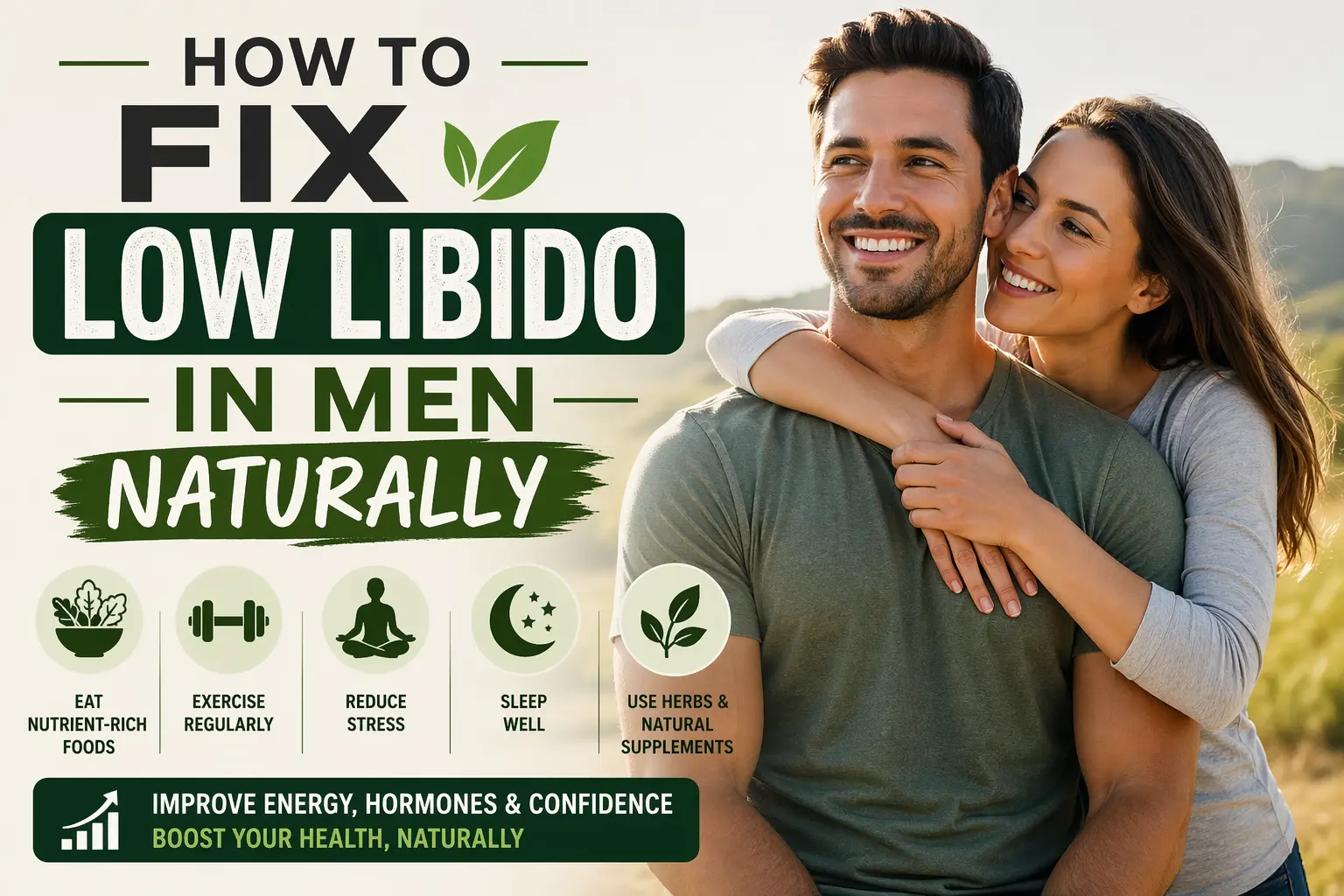
Low libido is one of the most common concerns men bring to their healthcare providers, yet it remains one of the most poorly understood. Male sexual desire is influenced by a complex interplay of hormones, neurotransmitters, stress levels, relationship dynamics, sleep quality, nutrition, and underlying health conditions. When libido drops, it is rarely due to a single cause — and effective treatment requires addressing multiple contributing factors simultaneously.
In this guide, we provide a systematic approach to identifying and addressing the root causes of low libido in men, with evidence-based strategies that you can implement without prescription medications.
Understanding the Root Causes of Low Libido
Before implementing solutions, it is essential to understand what might be driving low libido in your specific situation. Common causes include:
- Hormonal imbalances: Low testosterone, high prolactin, thyroid dysfunction, or elevated estrogen
- Chronic stress: Elevated cortisol directly suppresses luteinizing hormone (LH) and testosterone production
- Poor sleep: The majority of testosterone production occurs during REM sleep
- Nutritional deficiencies: Zinc, magnesium, vitamin D, and B12 are critical for sexual health
- Excess body fat: Adipose tissue converts testosterone to estrogen through aromatase activity
- Medication side effects: SSRIs, blood pressure medications, and opioids commonly reduce libido
- Relationship issues: Emotional intimacy and relationship satisfaction are strongly correlated with desire
- Pornography overuse: High-frequency pornography consumption can desensitize dopamine receptors and reduce desire for partnered sex
The first step is identifying which factors apply to you. A blood test measuring testosterone, SHBG, estradiol, prolactin, TSH, vitamin D, and zinc levels provides objective data about your hormonal and nutritional status. For a deeper look at hormonal factors, see our guide on increasing testosterone naturally after 40.
1. Address the Hormonal Foundation
Testosterone is the primary driver of male sexual desire. When testosterone levels drop below optimal — typically below 400-500 ng/dL for most men — libido is often the first casualty. Before considering testosterone replacement therapy (TRT), it is worth maximizing natural testosterone production through lifestyle and targeted supplementation.
Resistance training is the most powerful natural stimulus for testosterone production. Compound exercises like squats, deadlifts, and bench presses produce the greatest hormonal response. A meta-analysis in the Journal of Strength and Conditioning Research found that resistance training acutely increases testosterone by 20-40% in men over 40, with chronic training maintaining elevated baseline levels.
Sleep optimization is non-negotiable. A study in the Journal of the American Medical Association found that restricting sleep to five hours per night for one week reduced testosterone levels by 10-15%. For men over 40, who already have age-related decline, the impact of poor sleep is amplified. Aim for 7-9 hours of quality sleep with consistent timing.
Weight management is critical because body fat contains aromatase — an enzyme that converts testosterone to estrogen. Losing excess body fat directly increases free testosterone levels. A study in the International Journal of Obesity found that men who lost 10% of body weight experienced a 15-20% increase in testosterone.
For targeted hormonal support, Tongkat Ali is the most clinically researched natural testosterone booster, with studies showing 15-37% increases in testosterone levels.
2. Reduce Stress and Lower Cortisol
Chronic stress elevates cortisol, which directly inhibits testosterone production at the pituitary level. A study in Hormone and Metabolic Research found that men with chronically elevated cortisol had testosterone levels 30-40% lower than age-matched controls.
Effective stress management strategies for libido include:
- Meditation: Even 10-15 minutes of daily mindfulness meditation can significantly lower cortisol. A study in Psychoneuroendocrinology found that regular meditation reduced cortisol by 20% over eight weeks.
- Time in nature: Spending time outdoors reduces cortisol and increases dopamine. Aim for 30 minutes in nature daily.
- Adaptogenic herbs: Ashwagandha has been shown to reduce cortisol by 28% while increasing testosterone by 15% in clinical trials. It is one of the most effective natural stress management tools.
- Social connection: Strong social bonds buffer the effects of stress on hormonal health. Prioritize time with friends and family.
For a comprehensive supplement that combines multiple libido-supporting ingredients, see our PowerX Pro review.
3. Optimize Nutrition for Sexual Health
Diet has a direct impact on libido through multiple mechanisms: hormone production, blood flow, neurotransmitter synthesis, and energy levels.
Zinc: The most critical mineral for male sexual function. Zinc deficiency alone can reduce testosterone by 28%. Rich sources include oysters, red meat, and pumpkin seeds. Therapeutic supplementation at 25-45 mg daily can be beneficial for men with low libido.
Healthy fats: Testosterone is synthesized from cholesterol. Low-fat diets (below 20% of calories) consistently reduce testosterone levels. Include olive oil, avocados, fatty fish, nuts, and eggs in your daily diet.
Nitrate-rich vegetables: Spinach, arugula, and beetroot support nitric oxide production, which improves blood flow to the reproductive organs. This is particularly important for men who experience both low libido and erectile difficulties.
Avoid excessive alcohol: Alcohol directly suppresses testosterone production and impairs erectile function. Even moderate consumption of 2-3 drinks daily can significantly impact libido.
For a complete breakdown of libido-supporting foods, see our guide on foods that boost male libido.
4. Evaluate and Reduce Medication Impact
Many commonly prescribed medications reduce libido as a side effect. The most common culprits include:
- SSRI antidepressants: Medications like fluoxetine (Prozac), sertraline (Zoloft), and escitalopram (Lexapro) frequently cause sexual side effects including reduced libido, delayed ejaculation, and erectile dysfunction
- Beta-blockers: Blood pressure medications like metoprolol and atenolol can reduce libido and erectile function
- Opioid pain medications: Opioids suppress testosterone production through central and peripheral mechanisms
- Finasteride and dutasteride: Used for hair loss and BPH, these 5-alpha-reductase inhibitors can cause persistent sexual side effects
If you suspect a medication is affecting your libido, discuss alternatives with your prescribing physician. Never discontinue medications without medical supervision.
5. Address Lifestyle and Relationship Factors
Beyond biology, libido is heavily influenced by psychological and relational factors:
Screen time and pornography: Excessive screen time — particularly late at night — disrupts sleep and dopamine sensitivity. Pornography overuse can desensitize natural reward pathways, making partnered sex less motivating. A digital detox of 7-14 days from pornography often produces noticeable improvements in libido.
Relationship quality: Emotional intimacy, communication, and relationship satisfaction are strongly correlated with sexual desire. Couples counseling can be highly effective when relationship issues are contributing to low libido.
Exercise and movement: Beyond its hormonal benefits, regular exercise improves body image, energy levels, and mood — all of which support healthy sexual desire.
When to See a Doctor
While the strategies in this guide are effective for many men, some situations require medical evaluation:
- Sudden or complete loss of libido
- Low libido accompanied by erectile dysfunction
- Loss of morning erections
- Testicular pain, changes in size, or lumps
- Depression, anxiety, or other mental health concerns
- Libido loss following a new medication
- Symptoms of low testosterone (fatigue, weight gain, depression, low libido)
A comprehensive evaluation should include blood tests for total and free testosterone, SHBG, estradiol, prolactin, LH, FSH, TSH, vitamin D, zinc, and a complete metabolic panel.
The Bottom Line
Low libido is a complex problem with biological, psychological, and relational dimensions. The most effective approach addresses multiple factors simultaneously — optimizing hormones through sleep, exercise, and stress management; correcting nutritional deficiencies; evaluating medication side effects; and addressing relationship and lifestyle factors.
Start with the foundational strategies: prioritize sleep (7-9 hours), incorporate resistance training 3-4 times weekly, reduce stress through meditation or other practices, and eat a nutrient-dense diet with adequate zinc, healthy fats, and nitrate-rich vegetables. Layer in targeted supplements like Tongkat Ali, Ashwagandha, or zinc if needed.
For more resources, explore our guides on foods that boost male libido, Tongkat Ali complete guide, and our men's health hub.